

How Should You Walk with a Walking Boot?
A walking boot is an orthopedic device designed to immobilize and protect the foot or ankle while it heals from certain injuries. Although it offers greater mobility than a traditional cast, using it correctly is essential for a safe recovery and to avoid unnecessary discomfort. In this article, we'll explain how to walk properly with a walking boot, the most common mistakes to avoid, and practical tips to make your recovery more comfortable.
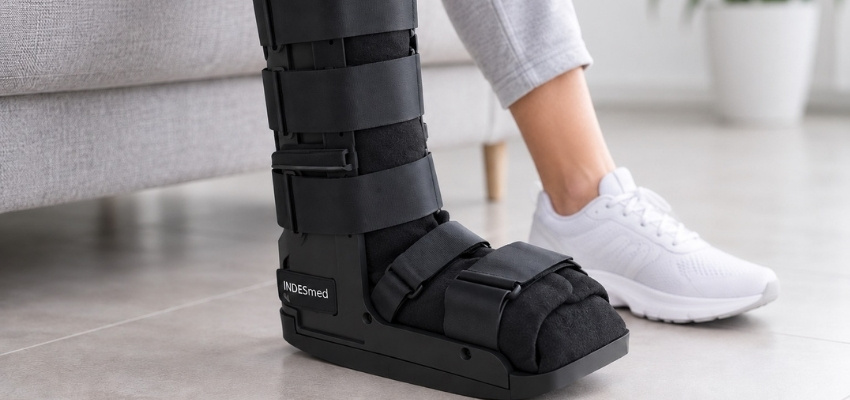
What Is the Correct Way to Walk with a Walking Boot?
During the first few days, it's normal to feel unsteady when walking with a walking boot. The most important thing is to follow your doctor’s or physiotherapist’s instructions regarding how much weight you can place on the injured foot and to adjust your walking pace accordingly.
To walk correctly, keep these recommendations in mind:
- Maintain an upright posture throughout your walk.
- Place your heel down first, then gradually shift your weight toward the front of the boot.
- Take short, controlled steps instead of rushing.
- Avoid sudden turns or quick changes of direction.
- Use crutches, if recommended by your healthcare professional, to reduce pressure on the injured leg and improve stability.
A proper walking technique not only improves safety but also helps make recovery more comfortable and gradual.
Mistakes to Avoid When Using a Walker Boot
During recovery, it is common to make small mistakes that can slow down healing. One of the most frequent is walking too quickly or trying to bear more weight than recommended too soon.
It is also important to make sure the boot is properly adjusted. If it is too loose, it may not immobilize the foot effectively, while excessive pressure can cause discomfort or affect circulation.
Another important aspect is the use of mobility aids. If your specialist has recommended crutches or a walking cane, continue using them for the advised period. Skipping stages of recovery or stopping these aids too early can increase the risk of new pain or injury.
Tips for a Safer and More Comfortable Recovery
In addition to walking correctly, certain habits can make wearing a Walker boot much more comfortable. Wearing a shoe of a similar height on the healthy foot helps compensate for the height difference created by the boot and promotes a more natural walking pattern.
It is also advisable to walk on stable surfaces, keep the home free of obstacles, and rest when discomfort or fatigue appears. Following the rehabilitation plan provided by your healthcare professional and not changing the recommended wearing time on your own are essential for optimal recovery.
If symptoms such as severe pain, excessive swelling, loss of sensation, or changes in foot color appear, contact a healthcare professional as soon as possible.
FAQ
Can You Put Weight on Your Foot While Walking with a Walker Boot?
Yes, but only if your healthcare professional has advised it. The amount of weight allowed depends on the injury and the stage of recovery.
How Long Should You Wear a Walker Boot?
The usual wearing time ranges from 2 to 8 weeks depending on the injury. Always follow your healthcare professional's advice before stopping its use.
Yes, but only if your healthcare professional has advised it. The amount of weight allowed depends on the injury and the stage of recovery.
How Long Should You Wear a Walker Boot?
The usual wearing time ranges from 2 to 8 weeks depending on the injury. Always follow your healthcare professional's advice before stopping its use.
info@indesmed.com
Add suggested products