
Is it good to walk with trekking poles?
Walking with trekking poles has become increasingly popular among hikers and outdoor enthusiasts. It not only improves stability and balance but also reduces joint impact while engaging multiple muscle groups. In this article, we’ll explain why using trekking poles is beneficial, what muscles they work, and how to use them correctly.

What are the benefits of walking with trekking poles?
Trekking poles offer several key benefits:
- Better balance and stability on uneven or steep terrain.
- Reduced stress on knees and ankles, especially when going downhill.
- Upper body muscle engagement, involving arms, shoulders, and core.
- Improved posture, keeping your back straight and reducing fatigue.
- Increased endurance, thanks to shared effort between arms and legs.
In short, trekking poles make walking safer, more efficient, and more comfortable for the entire body.
Which muscles does trekking work?
Using trekking poles activates a wide range of muscles:
- Legs and glutes: for propulsion and climbing.
- Biceps, triceps, and shoulders: from pushing with the poles.
- Core muscles (abs and lower back): for stability and posture.
- Back muscles: from the swinging motion of the arms.
Trekking with poles is therefore an excellent full-body workout that strengthens and tones muscles while improving endurance.
How to use trekking poles correctly?
To make the most of their benefits, follow these tips:
1. Adjust the height so your elbow forms a 90° angle.
2. Use the straps to reduce wrist strain.
3. Alternate arm and opposite leg movements naturally.
4. Plant the pole slightly ahead of your step.
5. Keep a steady rhythm to maintain flow and balance.
Proper technique helps maximize comfort and reduce the risk of injuries.
FAQ
When standing with the pole tip on the ground, your elbow should form a right angle (90°).
What are the best trekking poles for balance and walking?
The best poles are lightweight and adjustable, made of aluminum or carbon fiber, with ergonomic grips and anti-slip tips.
Can trekking poles be used for walking in the city?
Yes, you can use trekking poles in urban areas, provided they have rubber tips to reduce noise and improve grip on hard surfaces.
info@indesmed.com
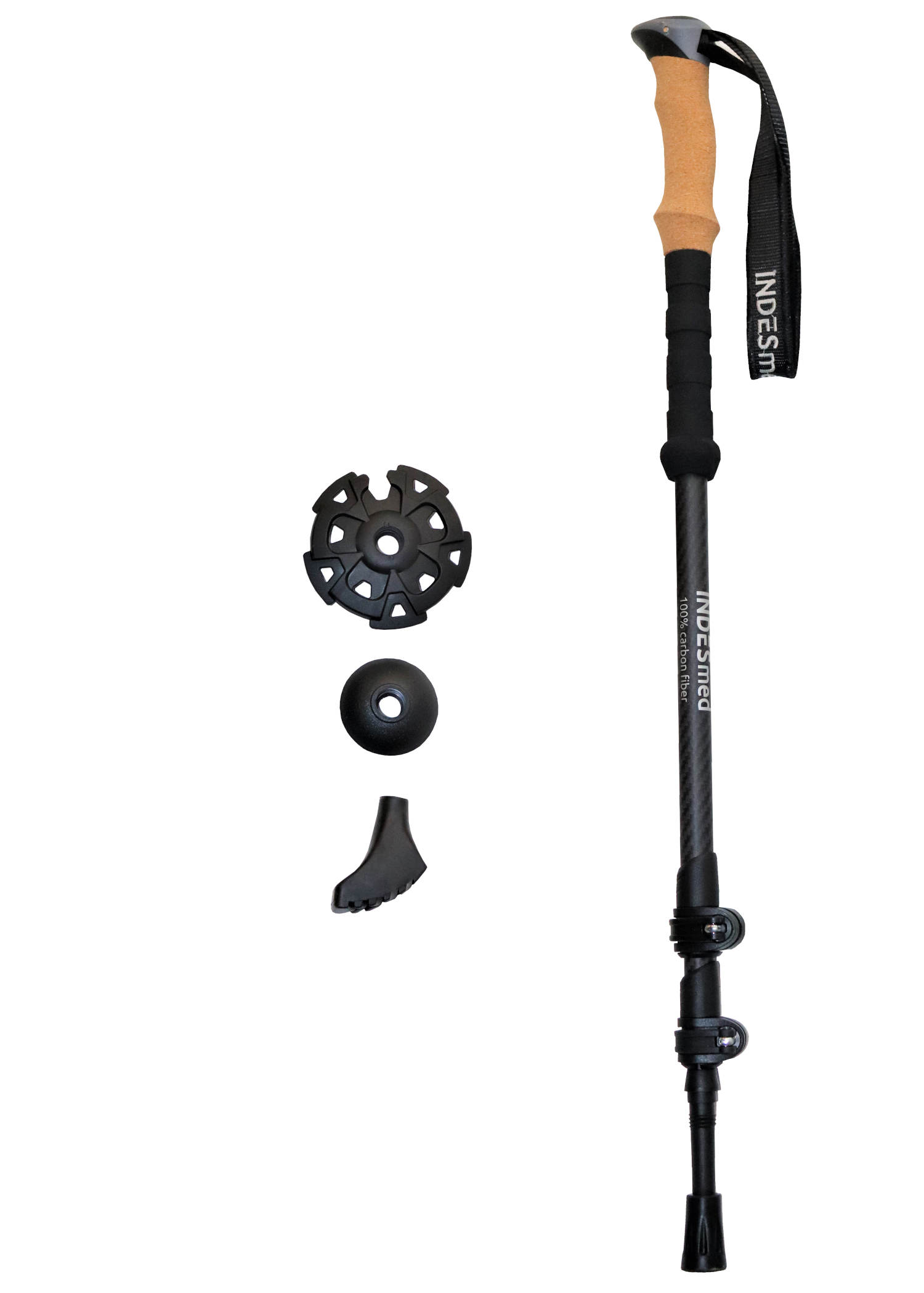
Trekking Poles of 100% Carbon Fiber 3k Twill
US$ 111.19
Orange
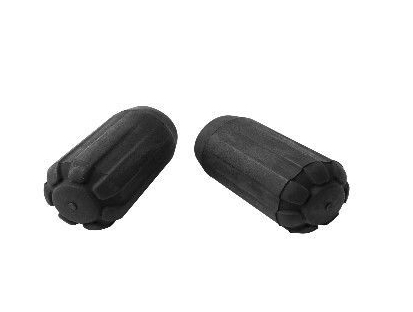
Tips for trekking pole
US$ 3.66
Panties-shorties of BambooSmartTec
US$ 16.91
Purple/S
Boxer-briefs of BambooSmarTec
US$ 19.03
Orange/L