
What injuries require wearing an orthopedic boot?
Using an orthopedic boot is recommended for many foot, ankle, or tibia injuries. This guide answers the question immediately: a walking boot is mainly used in cases of fractures, severe sprains, tendon ruptures, or after surgery. Below you will find detailed explanations, benefits, prices, and a practical FAQ section.

What is an orthopedic boot?
An orthopedic boot is a medical device designed to partially or fully immobilize the ankle and foot while still allowing walking. It often replaces traditional plaster casts because it is more comfortable, hygienic, and adjustable. Modern models include cushioning systems, rigid shells, adjustable straps, and non-slip soles.
What injuries require wearing an orthopedic walking boot?
A walking boot is used in the following situations:
- Moderate to severe ankle sprains
When ligaments are stretched or torn, the boot limits movement and reduces pain.
- Foot or ankle fractures (non-displaced)
It immobilizes the affected bone while allowing partial weight-bearing depending on the doctor’s advice.
- Partial or complete Achilles tendon rupture
The boot is adjusted to place the foot in equinus (toes pointing downward).
- Post-operative recovery (hallux valgus, surgically treated fractures, osteosynthesis)
It protects healing tissues and stabilises the entire operated area.
- Bruises, bone fissures, stress fractures
In cases of persistent pain or micro-fractures, it prevents the injury from worsening.
What is the price of an orthopedic boot?
The average price of an orthopedic boot varies depending on size, rigidity, and included technologies:
- Standard models: £35–£70 / $40–$75
Often less effective for painful injuries and less secure than advanced models.
- Premium / cushioned models: £80–£140 / $90–$150
These boots generally include features such as a non-slip sole and a thick washable liner for comfort and protection during recovery.
A quality boot provides better comfort, longer durability, and reliable immobilisation, essential for proper healing. The INDESmed model at €99.99 can last a lifetime thanks to its patented adjustment technology. It fits sizes US W 7 to US W 11.5, ideal for adapting to foot swelling.
FAQ
The airwalker immobilises the ankle much more effectively, offering full stabilisation compared to a lighter brace.
Should I wear an orthopedic boot at night?
It depends on the injury. For fractures and tendon ruptures, it is often recommended.
Can you walk normally with an orthopedic boot?
Yes, the walker boot is designed to allow safe but adapted walking—neither too fast nor too long.
info@indesmed.com
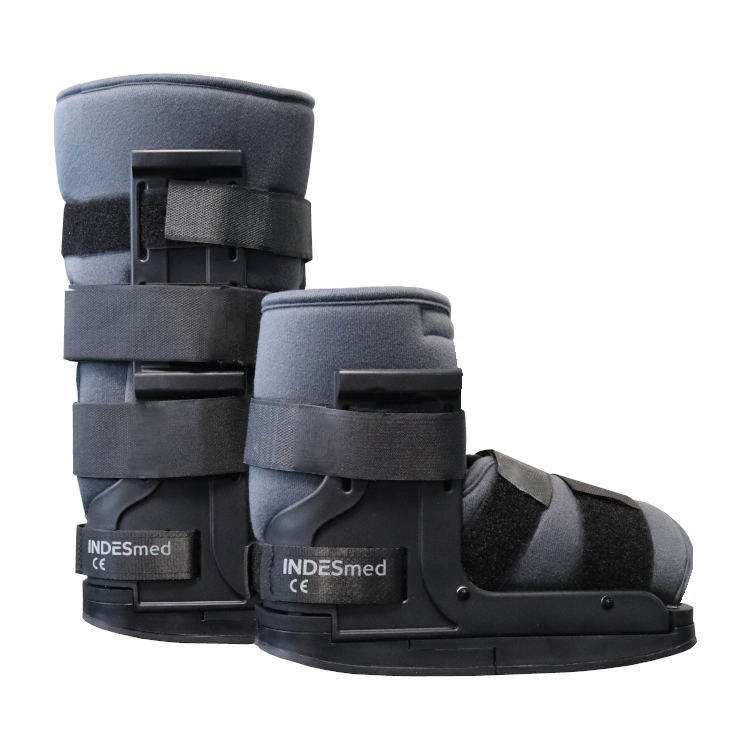
Orthopedic Walker Boot (Short + Tall)
US$ 105.95
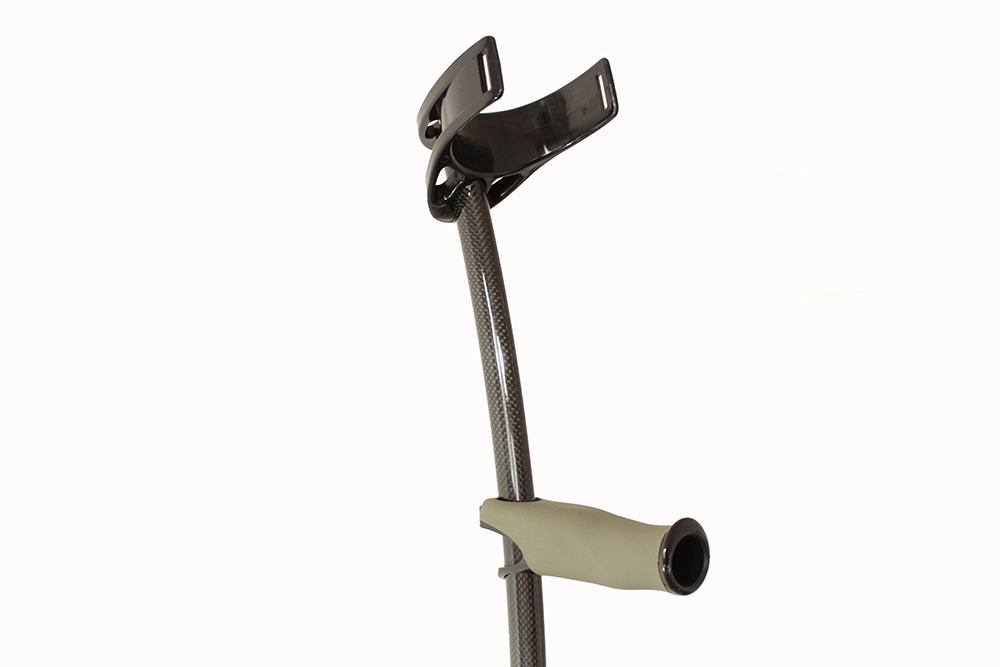
Forearm Crutch with 3 Layers of 100% Carbon Fiber 3k Twill
US$ 294.68
Grip - Black/XL/fully open Cuff
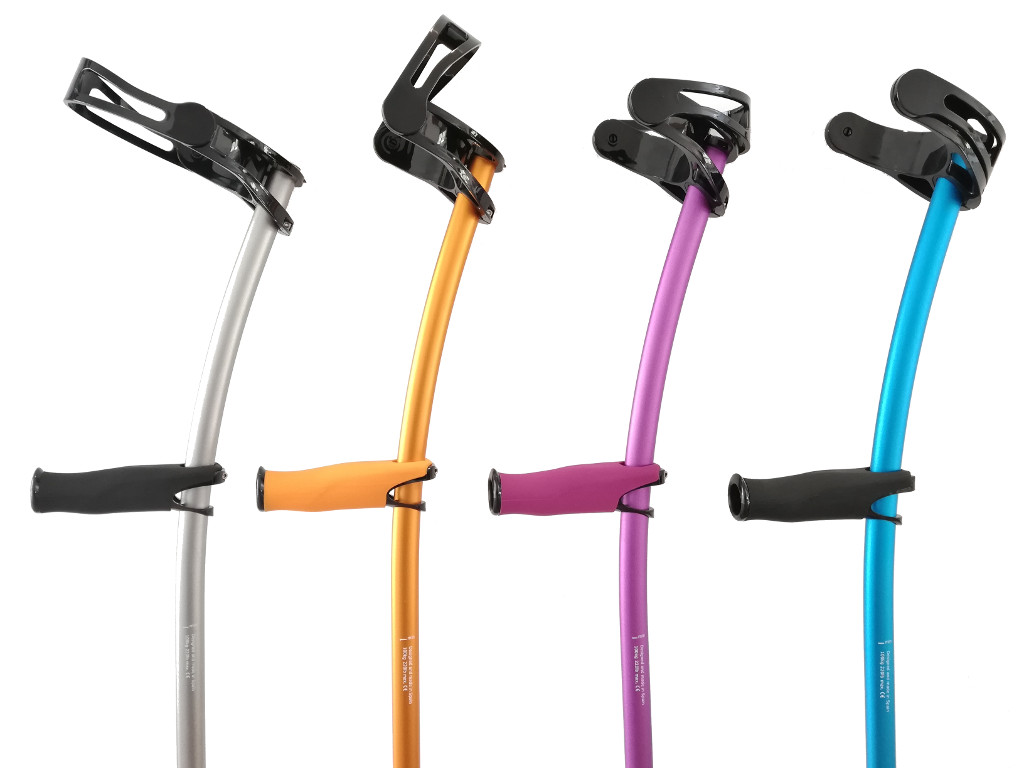
Forearm Crutches 100% Aerospace Aluminum 6061
US$ 70.97
Titanium Grey/XL
Forearm Crutches 100% Aerospace Aluminum 6061
US$ 80.51
Titanium Grey/XL